
U.S. and Iran Trade Fire as Ships Move Through Strait of Hormuz
U.S. escort operations and Iranian attacks raise the stakes around one of the world’s most critical oil chokepoints.
World
5/4/26
10:45 AM
281
Crisis Mode
Middle East
UPDATE — May 4, 2026: U.S. and Iranian forces traded fire around the Strait of Hormuz as the U.S. began helping commercial ships move through the chokepoint. U.S. officials said destroyers and commercial vessels transited safely, while Iran disputed parts of the account.
What Happened
The U.S. launched Project Freedom to help commercial vessels transit the Strait of Hormuz amid escalating military activity. Reuters reported new attacks in Gulf waters, while CBS News reported that two U.S. Navy destroyers entered the Persian Gulf after facing Iranian small boats, missiles and drones. U.S. officials said no U.S. vessels were hit.
What We Know
Reuters reported that the U.S. and Iran launched new attacks in the Gulf as both sides contested control of shipping through the Strait of Hormuz. Reuters also reported that several merchant ships reported explosions or fires, and that the U.S. said it destroyed Iranian small boats.
CBS News reported that the USS Truxtun and USS Mason transited the strait with support from Apache helicopters and other aircraft. Defense officials told CBS that Iranian small boats, missiles and drones were launched during the passage, but neither U.S. destroyer was struck.
CBS also reported that two commercial vessels safely transited the waterway under Project Freedom, while Iran disputed claims about recent crossings and denied U.S. claims that Iranian boats were destroyed.
What We Do NOT know
It remains unclear how many commercial ships can safely resume transit through the strait. Reporting also contains conflicting claims from the U.S. and Iran about ship movements, boat losses and the scope of attacks.
Reuters stated it could not independently verify the full situation in the strait because both sides issued contradictory statements.
Why It Matters
The Strait of Hormuz is one of the world’s most important maritime chokepoints for oil and gas shipments. If commercial vessels cannot move safely through the area, the impact can extend beyond the Gulf to global energy prices, shipping insurance, supply chains and military escalation risks. U.S. escort operations may help reopen transit, but they also place American forces closer to direct confrontation with Iran in a narrow and contested waterway.
Coverage Snapshot
Reporting is moving quickly and remains heavily dependent on official statements, maritime security alerts and limited visual confirmation.
Analysts are watching whether Project Freedom becomes a sustained convoy operation, whether additional tankers are hit, whether Iran expands attacks beyond the strait, and whether Gulf states become more directly involved.
Bias Summary
U.S.-based coverage emphasizes the safe transit of U.S. destroyers and commercial vessels under military protection. Iranian statements frame U.S. movement as escalation and dispute U.S. claims. Reuters foregrounds the conflicting accounts and broader shipping impact, while live-update coverage highlights rapid tactical developments and diplomatic fallout.
Blindspot Check
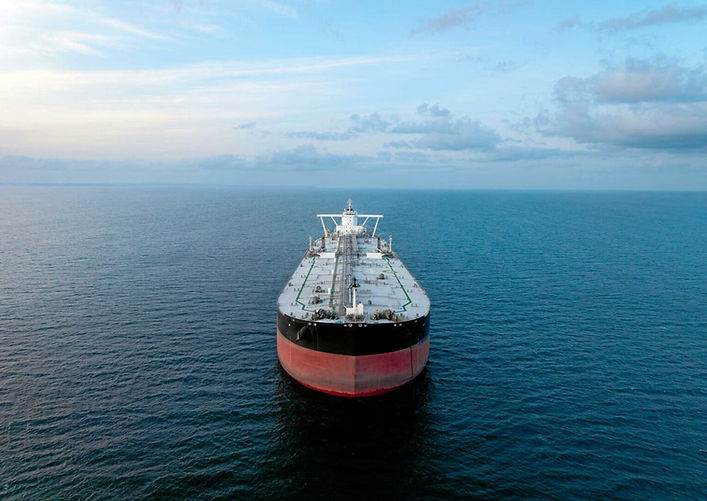
Current visuals are limited. The attached tanker image is useful as a representative stock image, not proof of the current incident.
The biggest blind spots are independent confirmation from the waterway, verified damage imagery, ship-tracking clarity, and whether reported fires or explosions were caused by attacks or onboard incidents.
Follow The Signal


Media Credits
Media Credit: Clare Jackson / Alamy Stock Photo
Associated Press • Reuters


Tags